How Can an Air Purifier Help Reduce Indoor Dust, Allergens, and Air Pollution?
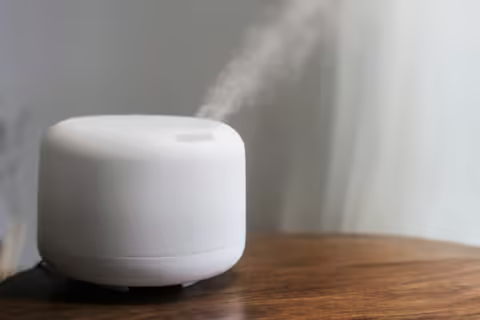
Indoor air quality is an important part of maintaining a comfortable and healthy living environment. Dust, pollen, pet dander, smoke, cooking particles, and other airborne pollutants can accumulate inside homes, offices, and commercial buildings. An air purifier is a device designed to reduce certain airborne particles and improve indoor air quality.
Different air purification technologies are available, including HEPA filtration, activated carbon filters, UV-based systems, and electrostatic purification. Each technology works differently and is designed to address particular air quality concerns.
Understanding how air purifiers work, what features they include, and how to maintain them can help households and businesses make informed decisions. The following frequently asked questions explain the essential aspects of air purification in simple terms.
Frequently Asked Questions About Air Purifiers
1. What Is an Air Purifier?
An air purifier is an electrical device that filters or treats indoor air to reduce certain airborne contaminants. It draws air into the unit, passes it through one or more filtration systems, and releases treated air back into the surrounding environment.
Common airborne particles that some air purifiers can capture include:
Household dust
Pollen and other allergens
Pet dander
Certain smoke particles
Mold spores
Some airborne pollutants
The effectiveness depends on the filtration technology, room size, airflow capacity, and maintenance requirements.
2. How Does an Air Purifier Work?
Most air purifiers use a fan to circulate indoor air through different filtration stages. Each stage is designed to address specific types of contaminants.
A typical purification process includes:
Air Intake: The device pulls surrounding air through an intake opening.
Pre-Filtration: A pre-filter captures larger particles such as hair, lint, and visible dust.
Main Filtration: A HEPA filter captures many smaller airborne particles.
Odor Reduction: An activated carbon filter can absorb certain gases and unpleasant odors.
Air Release: The filtered air returns to the room.
Not every model includes all these stages. Performance varies depending on the design and filter specifications.
3. What Are the Different Types of Air Purifiers?
Air purifiers are available in several types, based on their purification technology.
HEPA Air Purifiers: These use high-efficiency particulate air filters to capture airborne particles. True HEPA filters are commonly rated to capture at least 99.97% of particles measuring 0.3 microns under specified test conditions.
Activated Carbon Air Purifiers: These use porous carbon materials to absorb certain gases, odors, and volatile organic compounds.
UV Air Purifiers: These use ultraviolet light to inactivate certain microorganisms under appropriate operating conditions. UV systems do not necessarily remove particles from the air.
Electrostatic Air Purifiers: These use electrical charges to attract and collect airborne particles.
Ionizer Air Purifiers: These release charged ions that cause particles to settle on surfaces or collect on designated plates. Some ionizers can produce ozone, which may affect indoor air quality.
4. What Is a HEPA Filter in an Air Purifier?
A HEPA filter is a specialized mechanical filtration material designed to capture very small airborne particles.
It works through several particle-capture mechanisms, including interception, impaction, and diffusion. Unlike ordinary filters, HEPA filters are designed to capture a high percentage of particles within a specified size range.
HEPA filtration is commonly used for reducing:
Dust particles
Pollen
Pet allergens
Certain mold spores
Airborne particulate matter
However, HEPA filters do not remove all gases, chemical vapors, or odors. Activated carbon filtration may be needed for those concerns.
5. Why Is CADR Important When Choosing an Air Purifier?
CADR stands for Clean Air Delivery Rate. It measures how quickly an air purifier delivers filtered air for specific particle categories.
The three commonly reported CADR categories are:
Smoke
Dust
Pollen
A higher CADR generally indicates a greater ability to clean air within a given period.
Consumers can compare CADR ratings with the size of the intended room. A unit with insufficient airflow may take longer to reduce airborne particles in a larger space.
6. What Size Air Purifier Is Suitable for a Room?
The appropriate air purifier size depends on the room's floor area, ceiling height, and desired air changes per hour.
Before selecting a unit, consider:
Room dimensions
Manufacturer-recommended coverage area
CADR rating
Air changes per hour (ACH)
Placement and airflow restrictions
A bedroom, living room, and large office may require different purification capacities. Selecting a unit based only on its physical dimensions does not provide a reliable indication of performance.
7. Can Air Purifiers Help Reduce Indoor Dust?
Yes. Air purifiers equipped with suitable particle filters can capture airborne dust particles as air circulates through the device.
However, they cannot eliminate all household dust because much of it settles on floors, furniture, curtains, and other surfaces.
For better indoor dust management, combine air purification with:
Regular vacuuming
Damp dusting
Washing bedding periodically
Maintaining ventilation
Cleaning air conditioning filters
8. Are Air Purifiers Useful for Homes With Pets?
Air purifiers with appropriate particle filtration can help capture airborne pet dander, hair fragments, and other particles associated with household pets.
A HEPA-equipped model may be useful for reducing airborne allergens. Activated carbon filters can also help address certain pet-related odors.
Regular cleaning of pet bedding, carpets, and furniture remains important because an air purifier cannot remove contaminants that have already settled on surfaces.
9. Do Air Purifiers Remove Unpleasant Odors?
Some air purifiers can reduce certain unpleasant odors through activated carbon filtration.
Carbon filters contain porous materials that adsorb selected gases and odor-causing compounds. Their effectiveness depends on the amount and quality of carbon, the airflow rate, and the type and concentration of pollutants.
Standard HEPA filters primarily capture particles rather than gases or odors.
10. How Often Should Air Purifier Filters Be Replaced?
Filter replacement schedules depend on the device, filter type, usage frequency, and indoor pollution levels.
Typical maintenance considerations include:
Pre-filters: Clean or replace according to manufacturer instructions.
HEPA filters: Often require replacement every 6–12 months or according to the specified lifespan.
Activated carbon filters: May need replacement every 3–6 months, depending on usage and design.
These are general reference intervals, not universal replacement schedules. Always follow the manufacturer's maintenance instructions and filter indicators.
11. Can an Air Purifier Run Throughout the Day?
Many air purifiers are designed for extended operation, including continuous use. Running a suitable unit consistently can help maintain lower levels of airborne particles.
However, electricity consumption, filter lifespan, noise levels, and maintenance should be considered.
Some models include automatic modes that adjust fan speed according to detected particle levels. Users should follow the manufacturer's operating recommendations.
12. Do Air Purifiers Consume a Lot of Electricity?
Electricity consumption varies according to motor power, fan speed, operating duration, and device design.
A simple way to estimate energy consumption is:
Electricity Consumption (kWh) = Power (kW) × Operating Hours
For example, a 40-watt air purifier running for 10 hours consumes:
0.04 kW × 10 hours = 0.4 kWh.
Actual electricity consumption may differ depending on the selected operating mode and product specifications.
13. What Is the Difference Between an Air Purifier and an Air Conditioner?
Air purifiers and air conditioners serve different purposes.
Feature | Air Purifier | Air Conditioner |
|---|---|---|
Main purpose | Reduce airborne pollutants | Control indoor temperature |
Primary function | Filter or treat air | Cool or heat air |
HEPA filtration | Available in selected models | Not standard |
Temperature control | Usually unavailable | Available |
Humidity control | Usually limited | Available in selected models |
Some air conditioning systems include filters, but these may not provide the same particle filtration performance as dedicated air purifiers.
14. Where Should an Air Purifier Be Placed?
Air purifier placement can influence airflow and overall performance.
For effective operation, consider these guidelines:
Place the unit in the room where air quality management is most important.
Keep air intake and outlet openings unobstructed.
Maintain the clearance recommended by the manufacturer.
Avoid placing the device directly behind furniture or curtains.
Consider room airflow and frequently occupied areas.
Portable units can be moved between rooms when needed, provided their capacity is appropriate for the selected space.
15. Are Air Purifiers Noisy?
Air purifier noise levels depend on fan design, motor quality, and operating speed.
Higher fan speeds generally produce more noise, while lower settings are usually quieter. Some models include dedicated sleep modes designed to reduce operating noise and display brightness.
When comparing models, reviewing the manufacturer's decibel (dB) rating can help users understand expected sound levels.
16. Can Air Purifiers Help With Smoke Particles?
Air purifiers with suitable HEPA filtration can capture many airborne smoke particles.
Activated carbon filters may also help reduce certain smoke-related odors and gases. However, not all air purifiers address both particles and gases effectively.
Air purification should not replace eliminating the source of smoke or maintaining appropriate ventilation.
17. What Features Should Consumers Consider Before Selecting an Air Purifier?
Understanding product specifications can make comparisons easier.
Important features include:
CADR Rating: Indicates clean air delivery performance.
HEPA Filtration: Helps capture airborne particles.
Activated Carbon Filter: Helps address certain odors and gases.
Room Coverage: Indicates the recommended operating area.
Noise Level: Helps assess suitability for bedrooms and workplaces.
Energy Consumption: Provides information about electricity requirements.
Filter Availability: Helps determine long-term maintenance convenience.
Air Quality Sensors: Monitor selected indoor air quality indicators.
Comparing these features can help identify a device that matches the intended environment.
18. Do Air Purifiers Produce Ozone?
Some air purification technologies, particularly certain ionizers and ozone-generating devices, can produce ozone.
Ozone is a lung irritant and can negatively affect indoor air quality. Consumers should avoid air cleaners designed to intentionally generate ozone.
When comparing products, check the manufacturer's technical documentation and relevant safety certifications.
19. Can Air Purifiers Replace Proper Ventilation?
No. Air purifiers and ventilation systems perform different functions.
Air purifiers primarily filter or treat indoor air, while ventilation introduces outdoor air and helps remove indoor pollutants.
A practical indoor air quality approach may include:
Appropriate ventilation
Source control for indoor pollutants
Regular cleaning
Suitable air filtration
Proper maintenance of HVAC systems
Combining these measures can support better indoor environmental conditions.
20. How Can an Air Purifier Be Maintained Properly?
Regular maintenance helps an air purifier operate according to its design specifications.
Basic maintenance practices include:
Clean reusable pre-filters as instructed.
Replace filters according to the manufacturer's schedule.
Keep air intake and outlet openings free from obstructions.
Clean the exterior with an appropriate cloth.
Check filter replacement indicators.
Inspect the power cable and electrical connections.
Follow the recommended storage and operating instructions.
Proper maintenance can help maintain airflow and filtration performance over time.
Key Factors to Understand About Indoor Air Purification
Air purification involves more than selecting a device with multiple filters. Understanding the relationship between room size, filtration technology, airflow, and maintenance is important.
The following points provide a quick overview:
HEPA filters capture many airborne particles.
Activated carbon filters address certain odors and gases.
CADR helps compare particle-cleaning performance.
Room coverage should match the intended space.
Regular filter maintenance supports consistent operation.
Ventilation and pollution source control remain important.
Conclusion
Air purifiers are designed to help reduce selected indoor airborne pollutants through different filtration and purification technologies. Their performance depends on factors such as filter quality, CADR, room size, airflow, and regular maintenance.
Understanding HEPA filtration, activated carbon technology, UV systems, energy consumption, and filter replacement requirements can help consumers evaluate different air purification options.
Rather than relying on a single specification, it is useful to consider the complete operating requirements of a device and the indoor environment where it will be used. An informed approach to air purification, combined with proper ventilation and routine cleaning, can contribute to better indoor air quality management.

Related Post...
How Can an Air Purifier Help Reduce Indoor Dust, Allergens, and Air Pollution?
Updated: November 27, 2026
Read More